GREEN ESCAPE
Ashkelon National Park is not just a green space; it's a living archive of civilizations that shaped the world. From the world's oldest arch to the 'Bride of the South' fortifications.
Heritage Center
The heart of ancient Ashkelon, where every stone tells a story of survival, trade, and conquest.
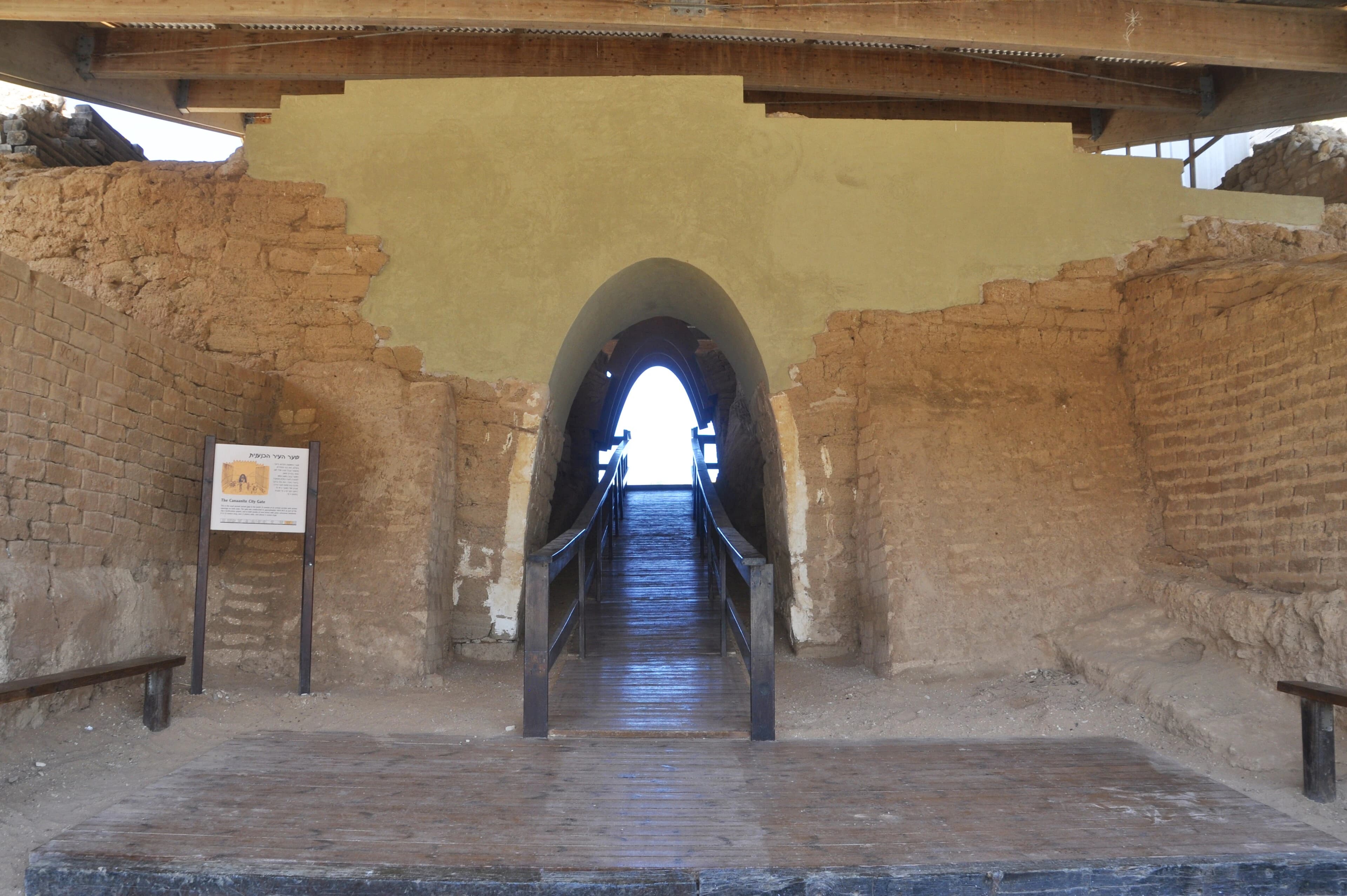
The Canaanite Gate
Middle Bronze Age (c. 1850 BCE)
Behold the oldest known arched gate in the world. Measuring 15 meters long and 4 meters high, these mud-brick fortifications guarded a powerful maritime city for 250 years before being buried to create defensive ramparts.
The Philistine Capital
Sea Peoples (12th-7th Century BCE)
Ashkelon was part of the Philistine Pentapolis. Its importance is underscored by the discovery of a 'Silver Calf' — a symbol of worship — found in a small shrine, showcasing the city's rich religious and mercantile culture.
The Roman Basilica
The Golden Era (37 BCE - 636 CE)
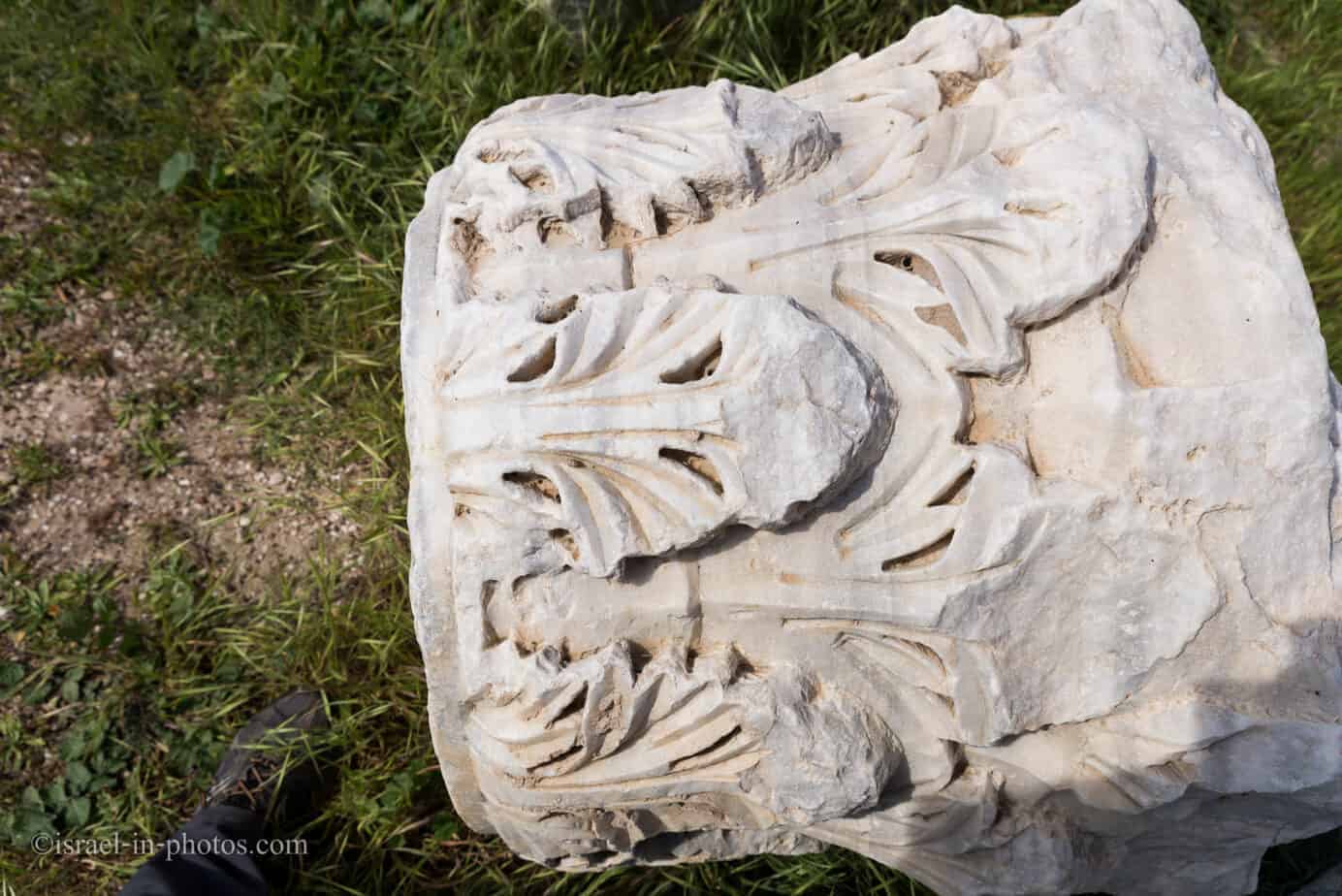
Newly restored in July 2022, this is the largest Roman Basilica in Israel. Walking through its marble ruins, you encounter the masterpieces of antiquity: statues of Nike and Isis-Tyche that once graced the city's civic center.
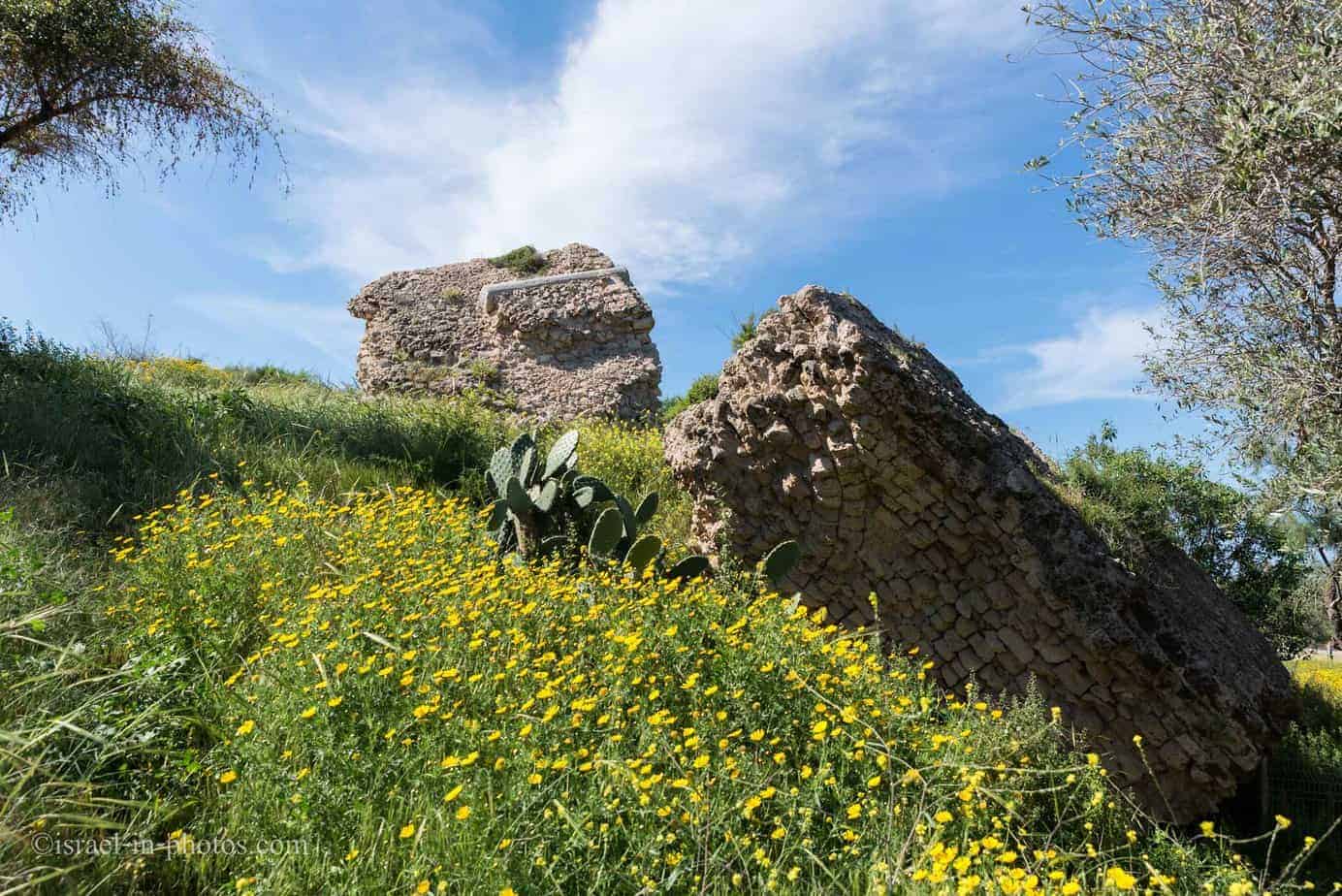
The Medieval Fortress
Fatimid & Crusader Eras
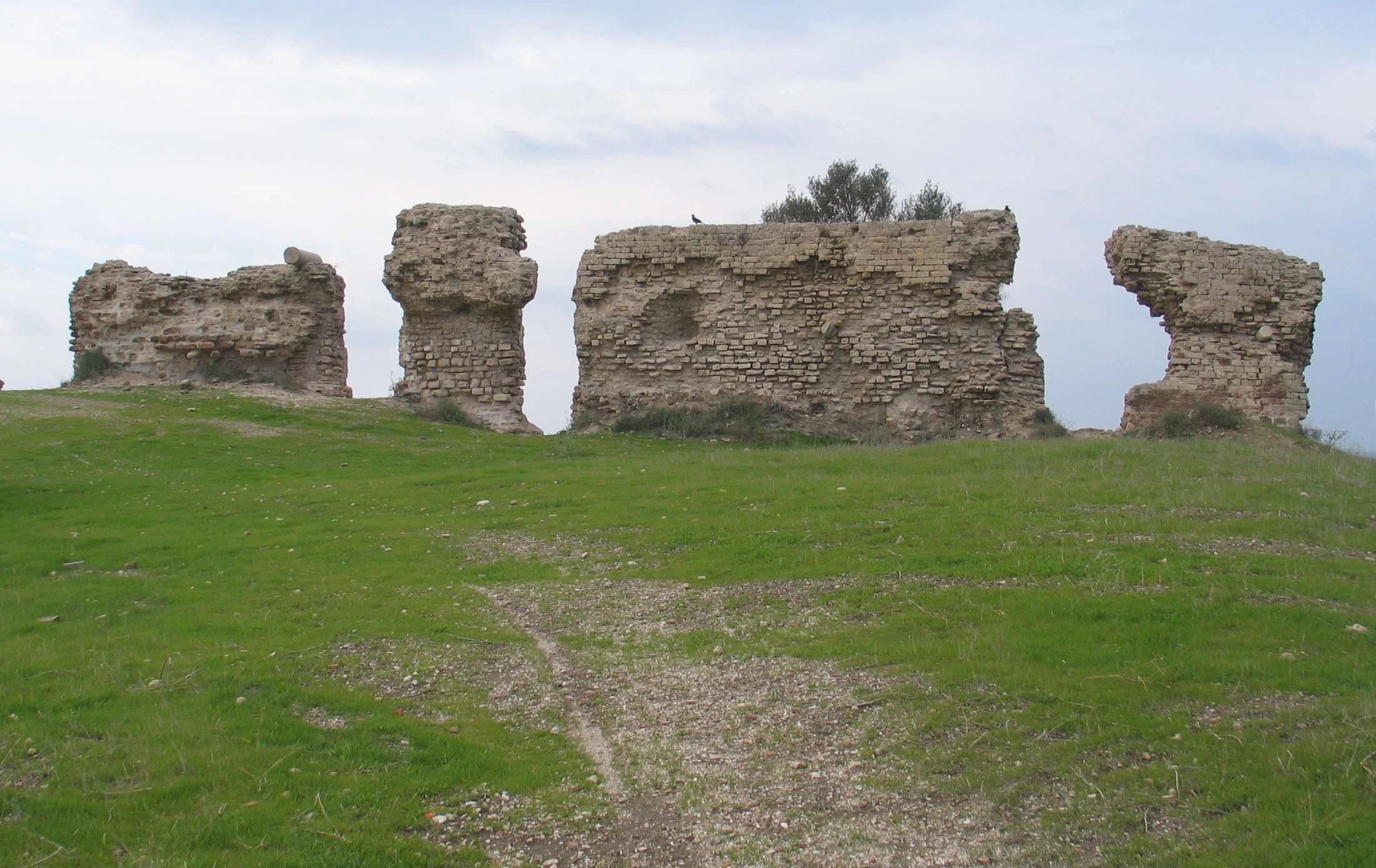
A sacred site for many, Ashkelon held the head of Hussein ibn Ali until 1154. Later, in 1191, Salah ad-Din ordered the total destruction of the city's walls to prevent the Crusaders from reclaiming this strategic 'Bride of the South'.
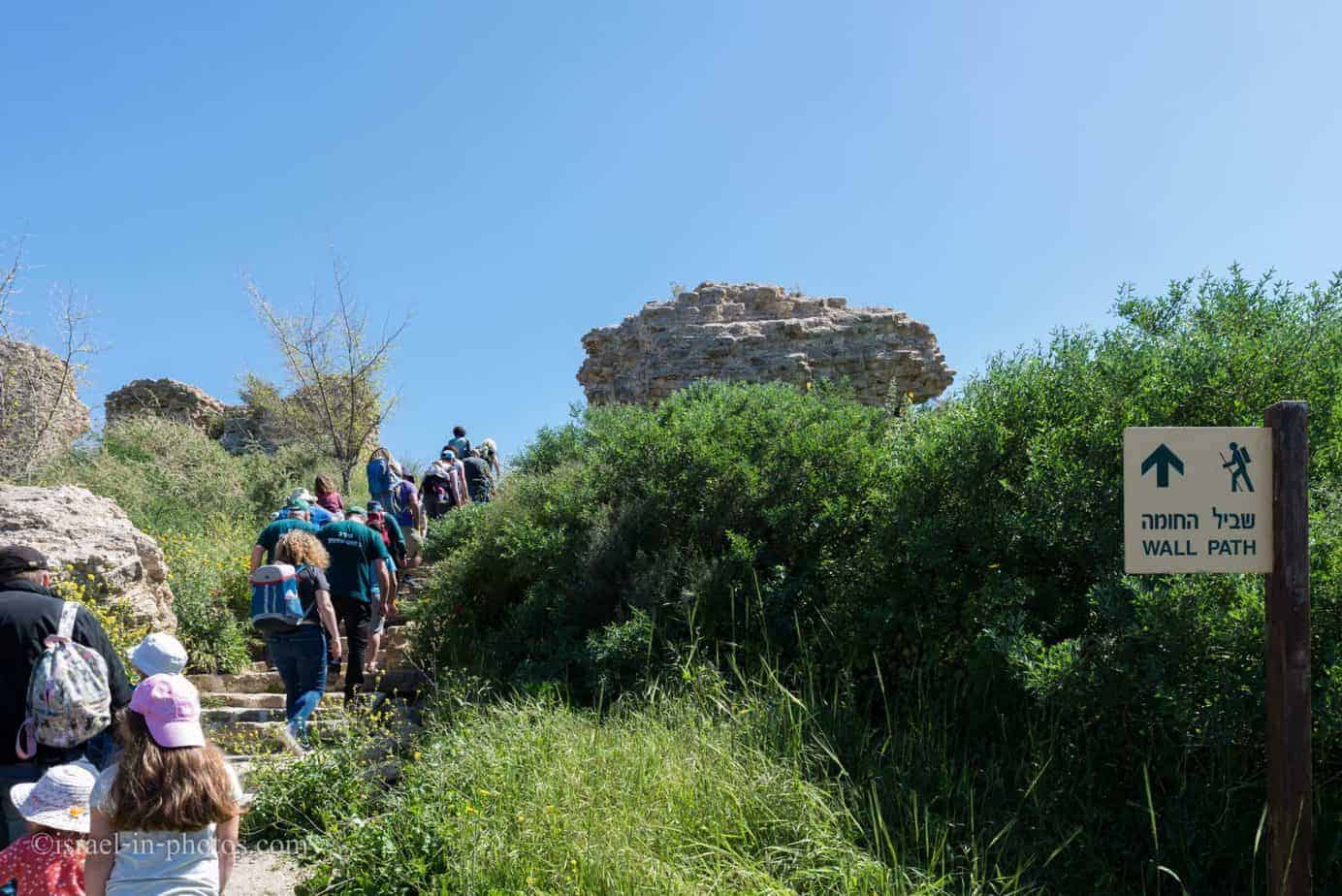
Seaside Legacy
Nature meets History
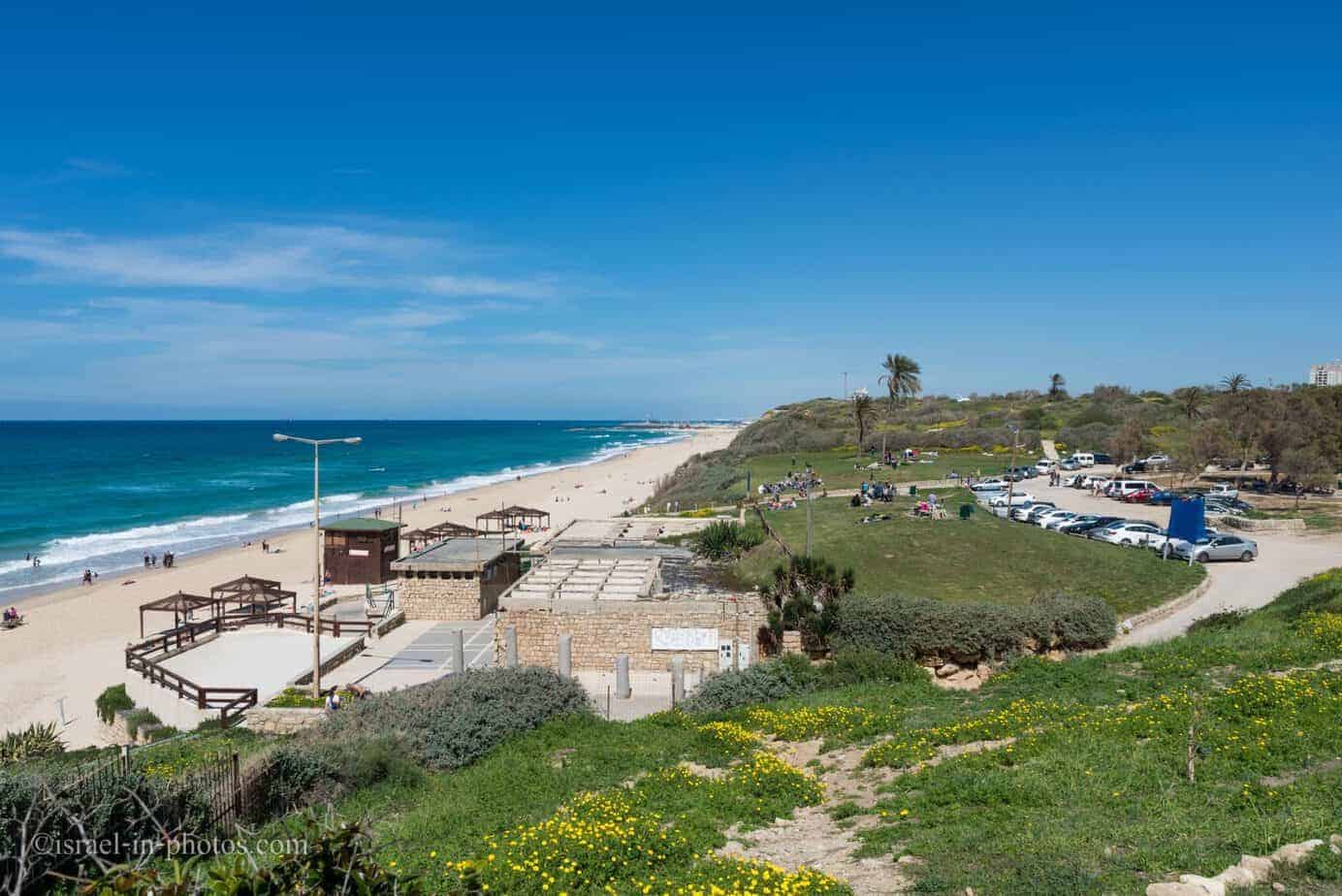
Beyond the ruins, the park preserve the last remnants of the coastal dunes. The name 'Ashkelon' itself likely stems from the 'Shekel', echoing the city's origins as a legendary center of trade.